Javey Research Lab
At the Javey Research Lab, I contributed to the development of ergonomic, easy-to-assemble wearable devices designed to capture physiological diagnostics for frontline workers.
My goal was to compact, user-friendly wearable that measures sweat flow rates using replaceable flexible electrodes, enabling reliable and repeatable diagnostics for first responders such as firefighters and paramedics.
1. Concept Development
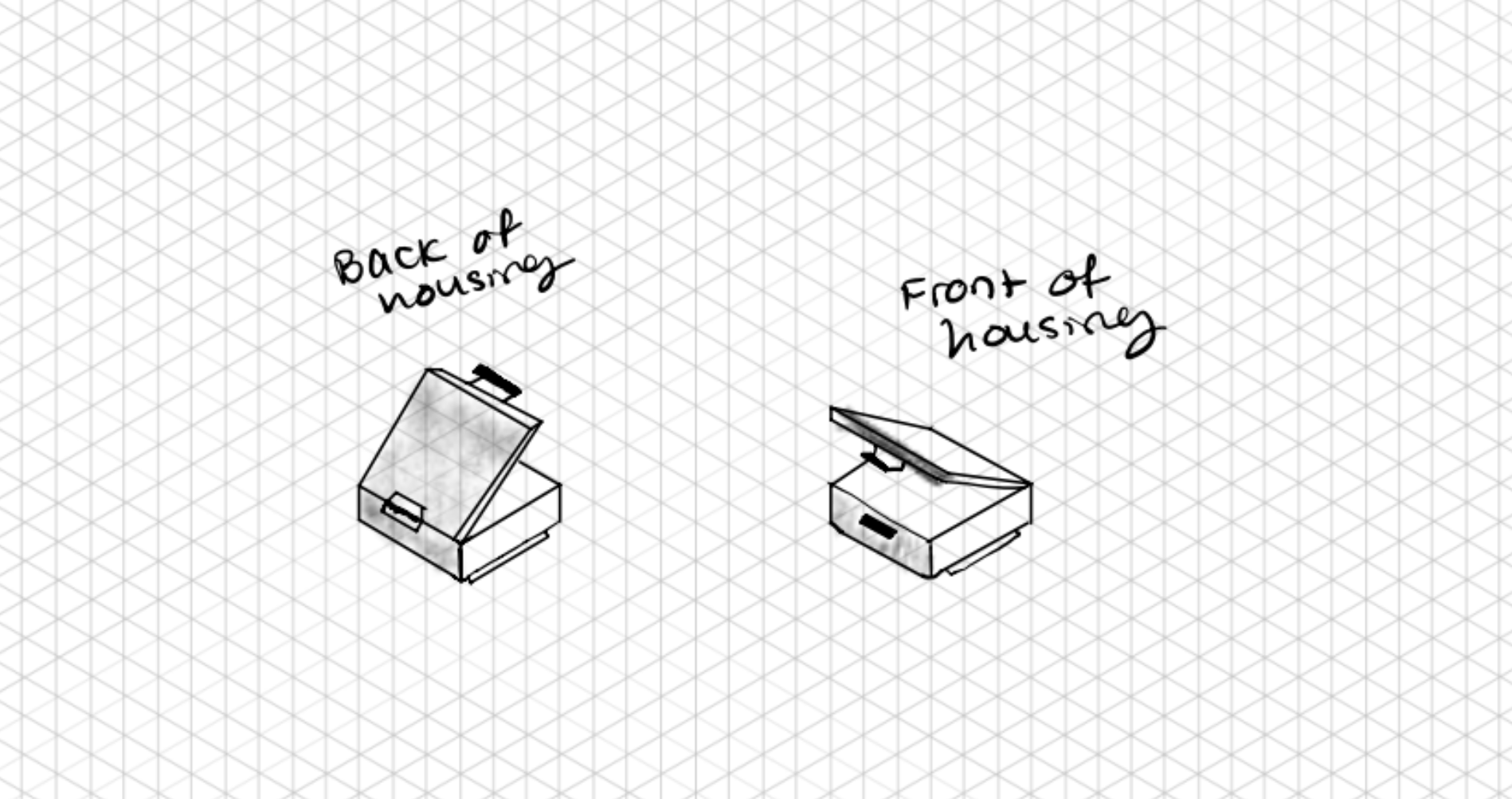
I began by sketching multiple form-factor options, then gathering input directly from first responders and other potential users to understand:
comfort preferences,
placement considerations,
durability needs, and
features to include or exclude.
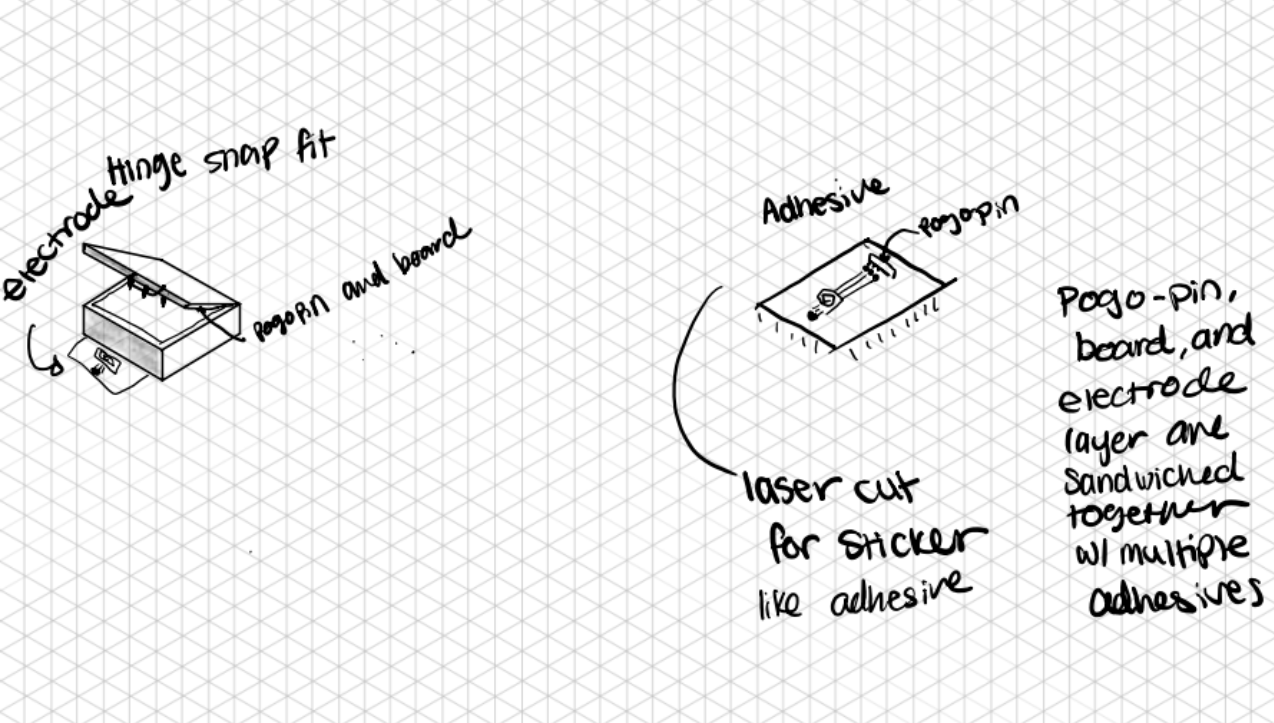
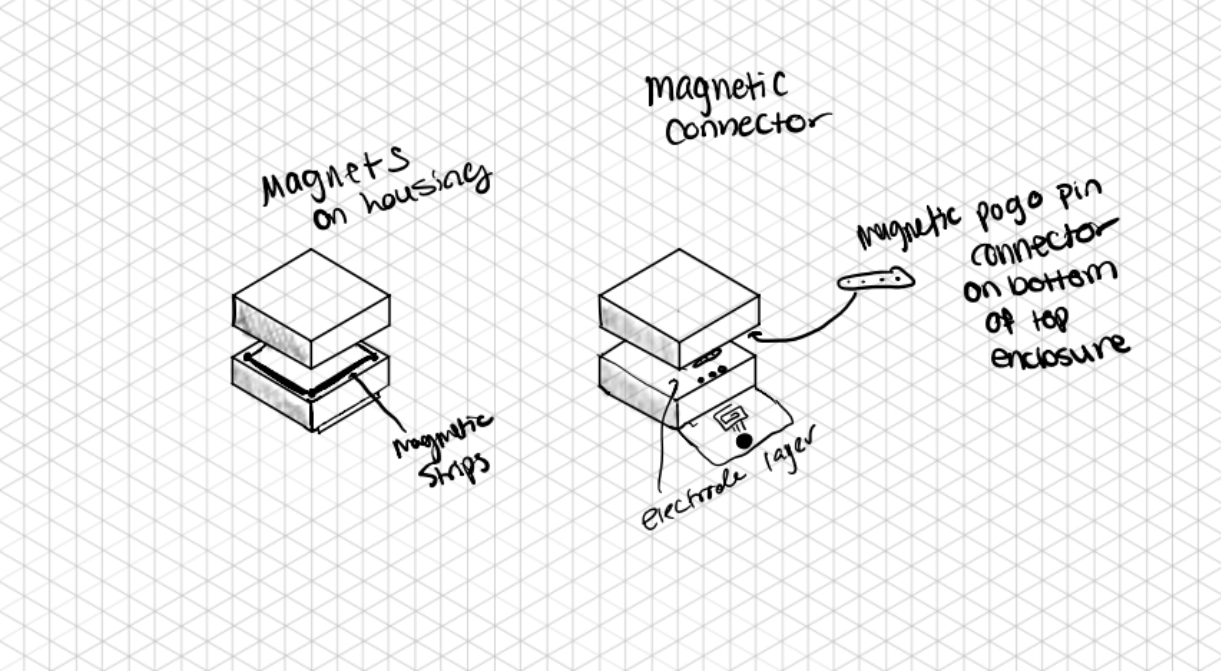
This feedback guided the shape, size, and assembly approach for the wearable housing. It also guided the type of enclosure, whether it is snap fit, interference, or magnetic enclosure.
2. Mechanical + System Design
I designed and prototyped:
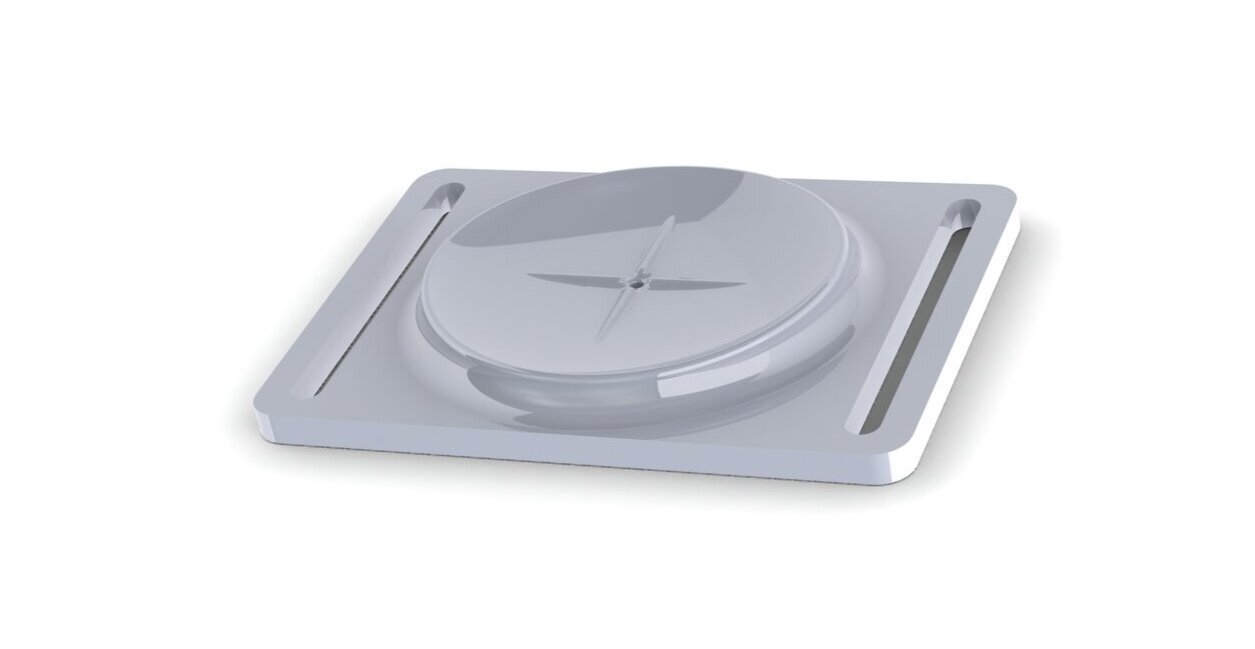
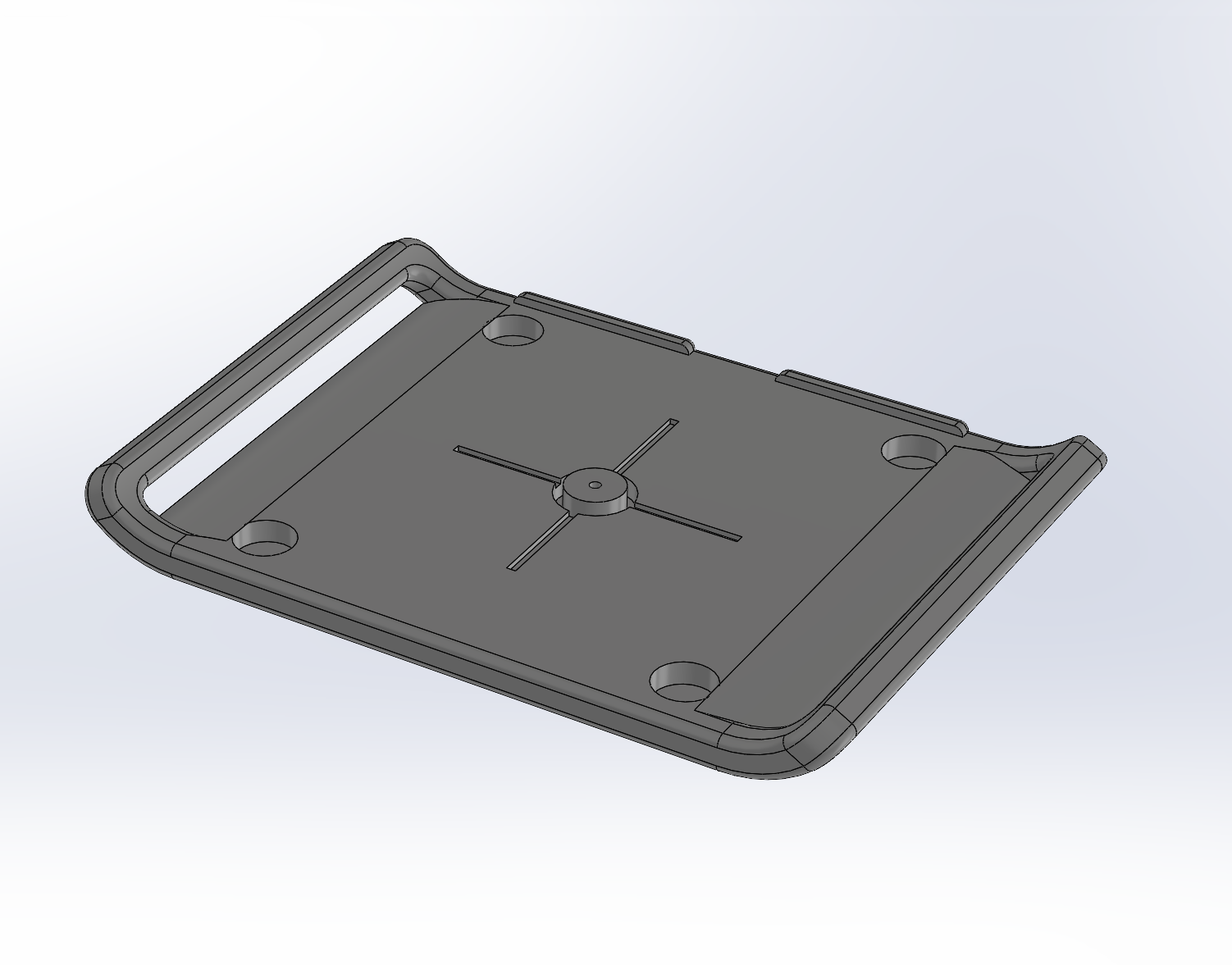
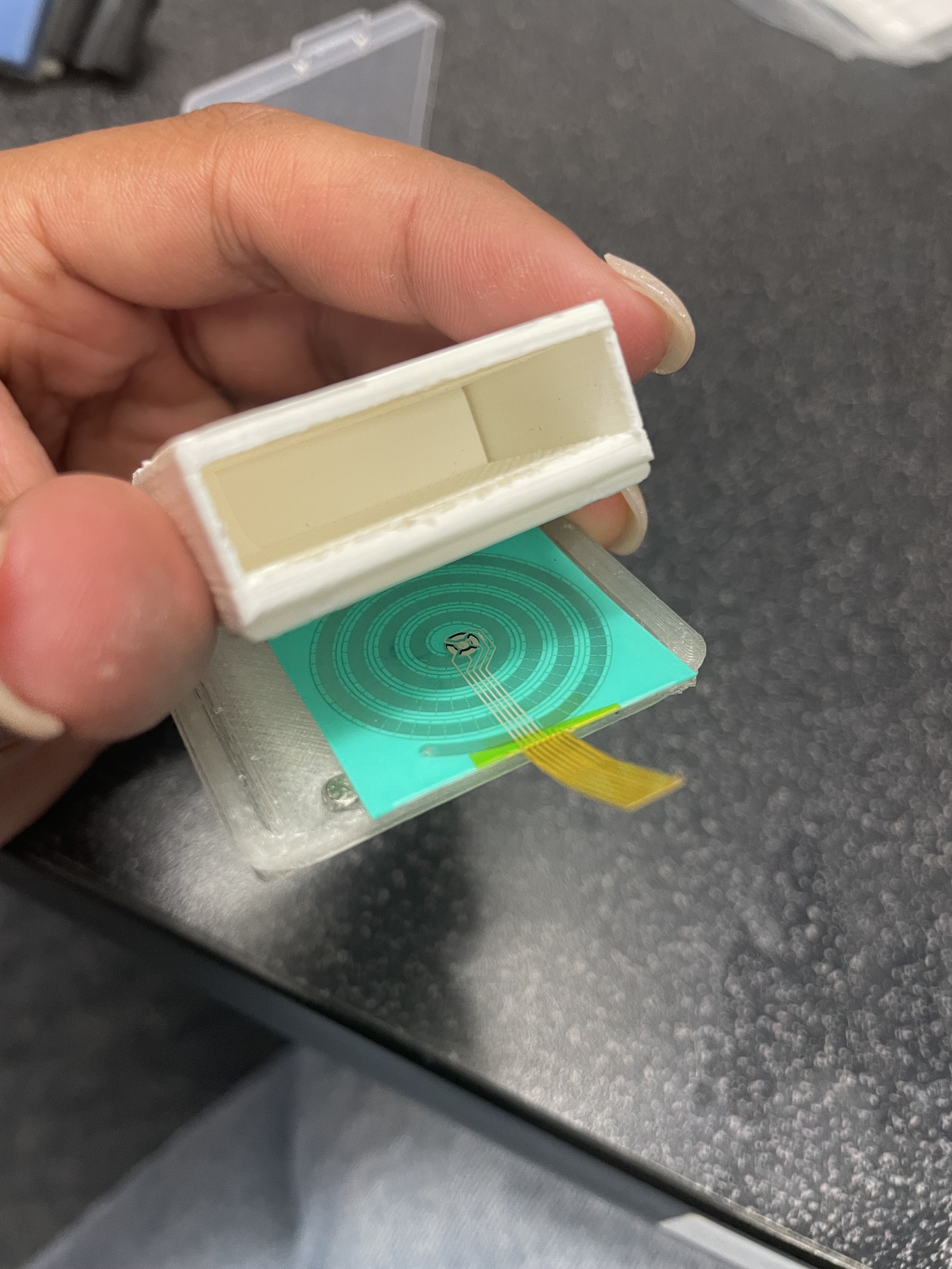
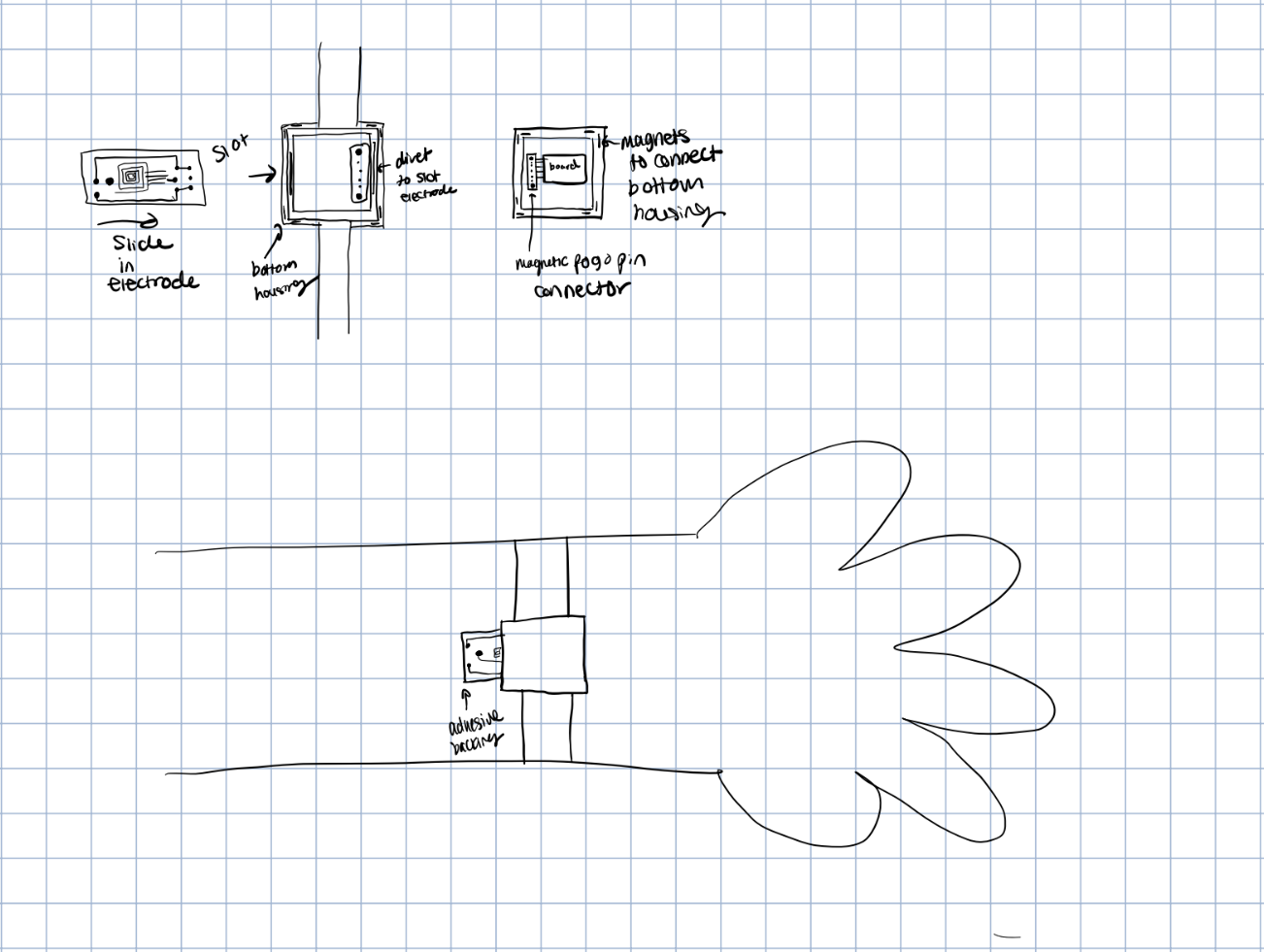
The housing for the onboard electronics and sweat-sampling electrodes,
A reliable electrode-to-PCB interface optimized for consistent admittance readings,
An integrated module that combined the mechanical enclosure and electronic connection system.
Chose final design based off of device functionality: magnetic enclosure with pogo pins to help with accurate flow rate readings.
3. Iterative Prototyping
Using an iterative, test-driven design loop:
Low-fidelity prototypes were modeled in SolidWorks and printed in PLA to quickly validate form, fit, ergonomics, and assembly logic.
High-fidelity prototypes were produced using SLA and Objet multi-material printers to test durability, sealing geometry, and fine tolerances.
4. Testing & Verification
Validation involved:
confirming a secure and repeatable electrode–PCB connection through admittance measurements via LabView,
evaluating leak-proof performance during simulated sweat flow, and
assessing overall usability and replaceability of electrodes after each use.